
Why and When You Should See an Orthopaedic Surgeon in Malaysia

Introduction
Pain is an inevitable part of life, but when it starts to interfere with your daily activities, it may be time to seek professional help. Orthopaedic issues can significantly impact your quality of life, making it difficult to perform even the simplest tasks. In such cases, consulting an orthopaedic surgeon, like Dr. Maria Wong, is crucial. This article will guide you through why and when you should see an orthopaedic surgeon in Kuala Lumpur, Malaysia, ensuring you receive the best possible care for your musculoskeletal health.
Orthopaedic surgeons are specialists in diagnosing and treating conditions that affect the musculoskeletal system, including bones, joints, muscles, tendons, and ligaments. These specialists play a vital role in helping patients recover from injuries, manage chronic conditions, and improve their overall mobility and quality of life. Whether you’re dealing with persistent pain, recovering from an injury, or facing a chronic condition, an orthopaedic surgeon can provide the expert care you need to get back on your feet.
Role of an Orthopaedic Surgeon
An orthopaedic surgeon is a medical specialist who focuses on diagnosing, treating, and managing conditions affecting the musculoskeletal system. This includes issues with bones, joints, muscles, tendons, ligaments, and nerves. Orthopaedic surgeons deal with a wide range of conditions, from acute injuries like fractures to chronic problems such as arthritis and tendinitis.
Scope of Practice
Orthopaedic surgeons in Kuala Lumpur, like Dr. Maria Wong, offer comprehensive care for various musculoskeletal conditions, including:
- Fractures and Trauma: Immediate and proper treatment of fractures is essential to ensure proper healing and prevent complications. Orthopaedic surgeons are skilled in managing both simple and complex fractures. They use techniques such as casting, bracing, and, in severe cases, surgical fixation with metal rods, plates, or screws to stabilize the broken bones and promote healing.
- Overuse Injuries: Conditions like tendinitis and bursitis result from repetitive motions and overuse, causing inflammation and pain. Orthopaedic surgeons provide effective treatments to alleviate symptoms and prevent recurrence. Treatment options may include rest, physical therapy, anti-inflammatory medications, and, in some cases, corticosteroid injections to reduce inflammation and pain.
- Joint Disorders: Conditions like arthritis and cartilage damage can severely impact mobility and quality of life. Orthopaedic surgeons offer treatments ranging from medication and physical therapy to surgical interventions. For example, joint replacement surgery, such as hip or knee replacement, can provide significant relief for patients with severe arthritis, improving their mobility and reducing pain.
- Spinal Issues: Back and neck pain, often resulting from spinal conditions, can be debilitating. Orthopaedic surgeons diagnose and treat these issues to improve patient outcomes. Treatments may include physical therapy, medications, spinal injections, and, in severe cases, surgical interventions such as spinal fusion or discectomy to relieve pressure on the nerves and alleviate pain.

Special Interests and Complex Surgeries
Orthopaedic surgeons often have specialised areas of interest. Dr. Maria Wong, for instance, has a special interest in lower limb reconstruction surgery (LLRS). This involves correcting deformities and misalignments using advanced techniques such as Ilizarov frames and monorails. These complex surgeries address problems arising from previous trauma, serious infections, or growth issues in paediatric patients. Lower limb reconstruction can restore proper alignment and function to the legs, improving the patient’s ability to walk and participate in daily activities.

Common Orthopaedic Conditions and Symptoms
Patients commonly seek orthopaedic care for various pain points and conditions. Understanding these can help you determine when to consult an orthopaedic surgeon.
Pain in the Foot, Ankle, and Heels
Issues such as plantar fasciitis, Achilles tendinitis, and heel spurs can cause significant pain in the foot and heel areas. These conditions often result from overuse or improper footwear and can be effectively managed with the right treatment plan. Orthopaedic surgeons may recommend treatments such as stretching exercises, orthotic inserts, physical therapy, and anti-inflammatory medications. In severe cases, surgical interventions may be necessary to relieve pain and restore function.

Hand and Wrist Pain
Conditions like carpal tunnel syndrome and tendinitis (e.g., tennis elbow or golfer’s elbow) are frequent complaints. These conditions involve nerve compression or tendon inflammation due to repetitive activities. Orthopaedic surgeons provide treatments that range from splinting and medication to surgical interventions. For example, carpal tunnel release surgery can alleviate pressure on the median nerve, reducing pain and improving hand function.

Joint and Muscle Pain
Joint pain, particularly in the knees, hips, and shoulders, is a common reason for consulting an orthopaedic surgeon. Arthritis, bursitis, and tendinitis can cause significant discomfort and restrict movement. Early diagnosis and treatment are crucial to prevent further deterioration. Orthopaedic surgeons may recommend a combination of physical therapy, medications, and, in some cases, joint injections to reduce pain and inflammation. For severe arthritis, joint replacement surgery can provide significant relief and improve mobility.

When to Seek Medical Help from an Orthopaedic Surgeon
Recognising the signs that warrant a visit to an orthopaedic surgeon can help you get timely and effective treatment. Here are some key indicators:
Persistent Pain
If you have been experiencing pain that affects your daily activities and does not improve with rest, medication, or therapy, it’s time to see an orthopaedic surgeon. Persistent pain can indicate underlying issues that require professional evaluation and treatment. Orthopaedic surgeons can diagnose the root cause of your pain and develop a personalized treatment plan to address it.
Post-Trauma Injuries
Injuries from falls, sports, or accidents should be checked by an orthopaedic surgeon, especially if the pain persists beyond a week or if there is worsening swelling. Small fractures or soft tissue injuries can be easily missed but may lead to complications if not properly treated. An orthopaedic surgeon can perform a thorough evaluation, including imaging tests, to ensure that any fractures or other injuries are properly diagnosed and treated.
Worsening Symptoms
If your symptoms worsen over time, it’s crucial to seek medical help. Delaying treatment can lead to more severe problems and longer recovery times. Early diagnosis and intervention can prevent complications and ensure a smoother recovery. Orthopaedic surgeons can assess your condition and recommend appropriate treatments to prevent further deterioration and promote healing.
Orthopaedic Diagnostic Process
The diagnostic process involves several steps to accurately identify and treat orthopaedic conditions.
Patient History and Physical Examination
The first step is to gather a detailed patient history, including the onset, duration, and nature of the pain. Orthopaedic surgeons perform thorough physical examinations to assess the affected area and identify any abnormalities. This initial assessment helps the surgeon understand the patient’s symptoms and determine the next steps in the diagnostic process.
Imaging Techniques
Imaging techniques such as X-rays and ultrasounds are essential tools in diagnosing orthopaedic conditions. These tests provide detailed visuals of the bones, joints, and soft tissues, helping to confirm the diagnosis and plan the appropriate treatment. In some cases, more advanced imaging techniques, such as MRI or CT scans, may be required to obtain a clearer view of the affected area and identify any underlying issues.

Orthopaedic Treatment Options
Orthopaedic surgeons offer a range of treatment options tailored to the specific needs of each patient. These treatments can be broadly classified into conservative and invasive approaches.
Conservative Treatments
Most orthopaedic conditions can be effectively managed with conservative treatments, which include:
- Physiotherapy: Tailored exercise programmes and manual therapies help restore function, reduce pain, and prevent further injury. Physiotherapists work closely with orthopaedic surgeons to develop individualized treatment plans that address the patient’s specific needs and goals.
- Medication: Pain relief and anti-inflammatory medications are often prescribed to manage symptoms. These medications can help reduce pain and inflammation, allowing patients to participate more fully in physical therapy and other treatments.
- Injections: Corticosteroid injections can provide significant relief for conditions like tendinitis and arthritis. These injections reduce inflammation and pain, helping patients regain function and improve their quality of life. Other types of injections, such as hyaluronic acid for joint lubrication, may also be used to treat specific conditions.

Surgical & Non-Invasive Procedures
In cases where conservative treatments are insufficient, more invasive procedures may be required:
- Radiofrequency Ablation: This minimally invasive procedure uses heat to reduce nerve pain, providing long-term relief for chronic conditions. Radiofrequency ablation is often used to treat conditions such as chronic back pain or arthritis that have not responded to other treatments.
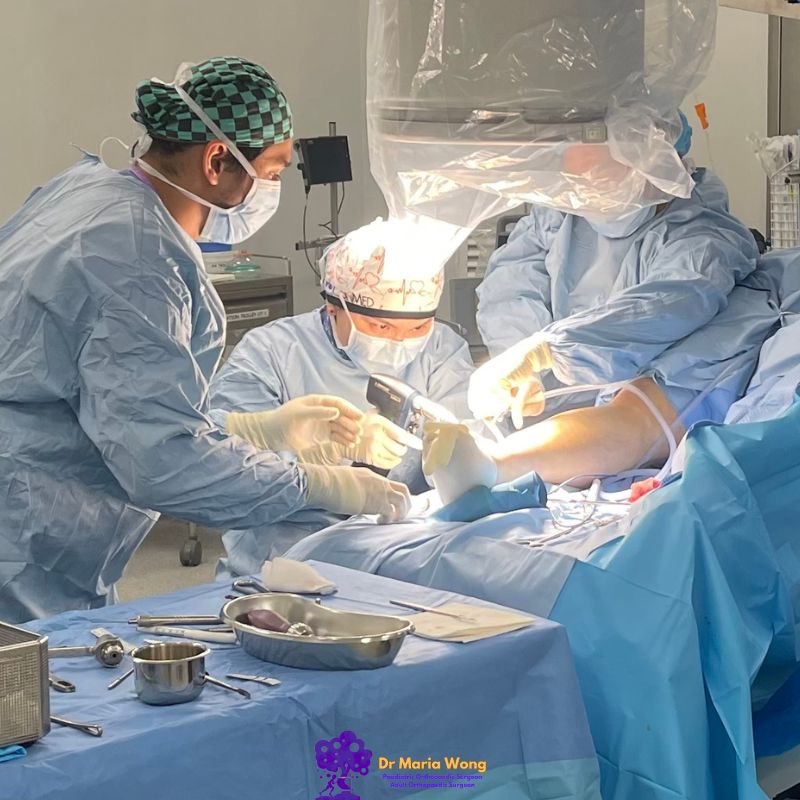
- Surgery: Surgical interventions are considered for severe cases or when other treatments have failed. Procedures range from arthroscopic surgeries, which involve small incisions and a camera to visualize and treat joint problems, to complex reconstructions such as joint replacements or spinal fusions. Orthopaedic surgeons carefully evaluate each patient’s condition to determine the most appropriate surgical approach.
Conclusion
Orthopaedic issues can significantly impact your quality of life, making it essential to seek professional help when needed. Consulting an orthopaedic surgeon in Kuala Lumpur, Malaysia, like Dr. Maria Wong, ensures you receive expert care tailored to your needs. Whether it’s persistent pain, post-trauma injuries, or chronic conditions, early diagnosis and treatment can prevent complications and promote better health outcomes.
Orthopaedic surgeons play a crucial role in helping patients recover from injuries, manage chronic conditions, and improve their overall mobility and quality of life. By seeking timely medical attention and working closely with an orthopaedic specialist, you can achieve better outcomes and enjoy a more active, pain-free life.

For more information or to schedule an appointment with Dr. Maria Wong, please visit drmariawong.com and take the first step towards improving your musculoskeletal health.
Contact & Request Appointment
Schedule a consultation by using the form below, or calling her clinic or using the online booking button.
Please note that consultation is ONLY by appointment – no walk-ins.
Appointment Form 🇲🇾
NOTE: To avoid disappointment with walk-ins patients and same day appointments requests, proper appointment is necessary as the doctor may not be available all the time in clinic as she may be performing surgery.
Clinic Contact
7B-07, Level 7, Sunway Medical Center Velocity,
Lingkaran Sunway Velocity, Sunway Velocity,
55100 Kuala Lumpur, Malaysia 🇲🇾
Mon to Wed: 10:30 – 16:30
Thu: closed
Fri: 10:30 – 16:30
Sat: 9:00 – 12:30
Sun: closed

