
Padel Injuries: Elbow and Knee Pain in a Fast-Growing Sport
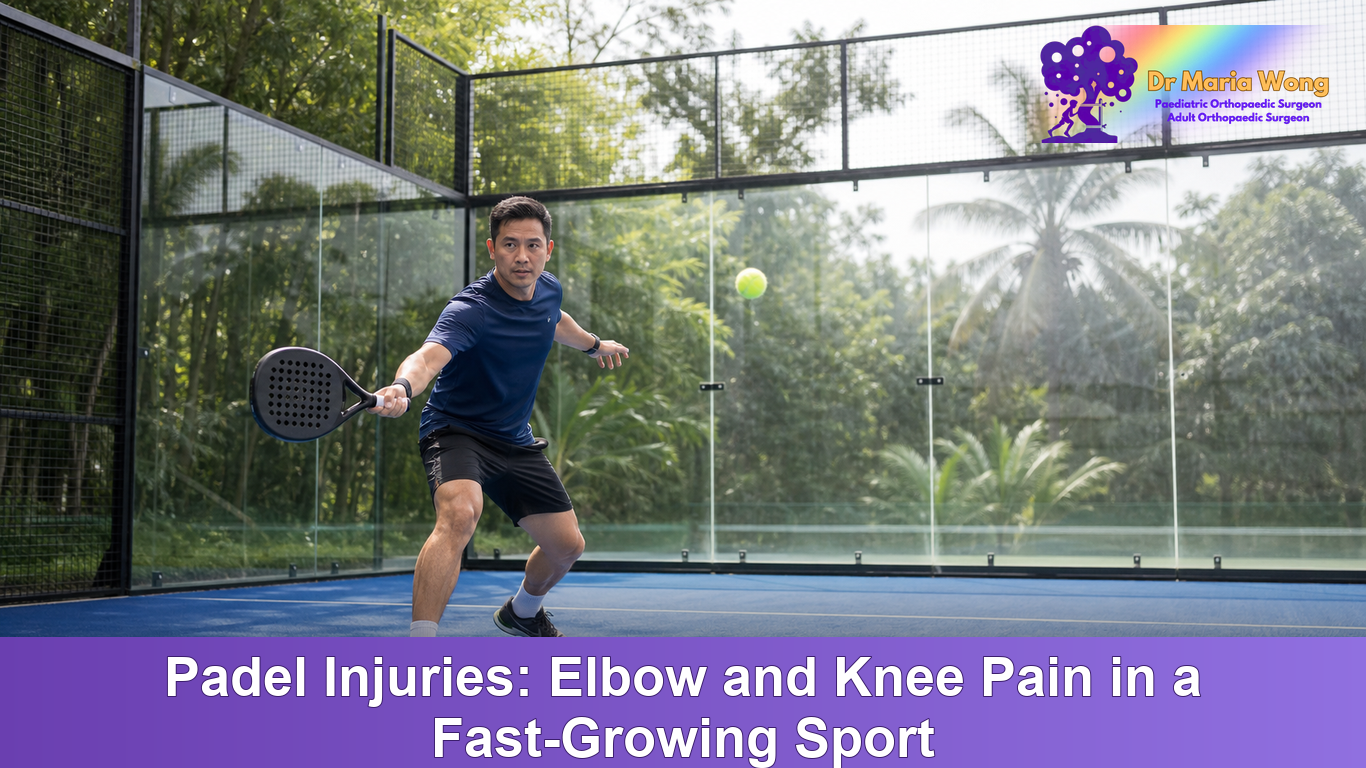
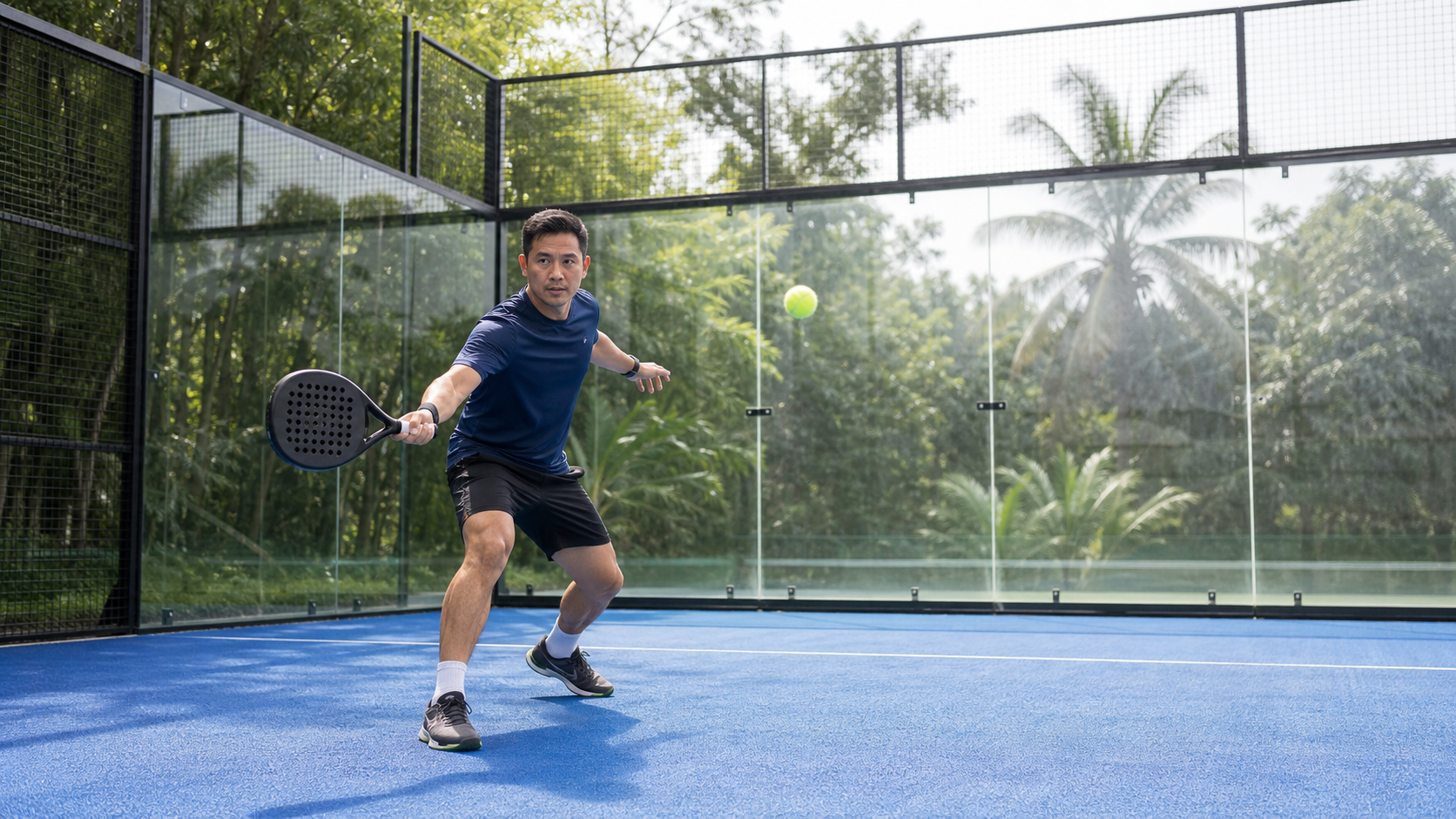
Padel injuries are becoming more relevant as glass-walled courts open across the Klang Valley and more Malaysians try the sport. Padel is social, fast and easier to start than many racquet sports. However, the body still has to handle repeated volleys and overhead smashes, quick sideways movement, low lunges and sudden stops.
The elbow is the most consistently reported injury site in padel research, while the knee is also high on the list. “Padel elbow” often refers to pain from an overloaded tendon on the outside of the elbow. “Padel knee” is a less precise term. It can describe several problems, from kneecap pain and tendon irritation to a ligament sprain or meniscus injury.
As an orthopaedic surgeon, my advice is not to avoid this growing sport. It is to understand what makes padel different, prepare for those demands and respond early if pain begins to change the way you play.
Padel in Malaysia: A Rapid Rise, with One Number to Clarify
The growth is real. An influential 2023 Playtomic and Deloitte report projected that the global number of padel courts could reach about 84,000 by 2026. That was a forecast, not a confirmed 2026 count. The newer Playtomic Global Padel Report 2026 records 58,334 courts worldwide after 7,898 new courts were added during 2025.
Meanwhile, padel clubs are appearing in warehouses, rooftops and leisure spaces across the Klang Valley. Malaysian reporting has described peak court slots being booked days ahead . This gives many adults a welcome reason to move. Yet it also means that people may go from little racquet-sport training to several matches a week before their tendons, muscles and joints have adapted.
How Common Are Padel Injuries?
A 2026 scoping review of padel injuries reports estimates of about three injuries per 1,000 training hours and eight per 1,000 matches. It found that the elbow was the most frequently injured upper-limb area, followed by the shoulder. In the lower limb, the knee was reported most often, followed by the ankle.
An earlier systematic review of eight studies and 2,022 players reached a similar conclusion. All five studies that gave detailed joint locations named the elbow as the most frequent site. One included study reported common extensor tendinopathy, often called tennis elbow, in 74.4% of its surveyed players.
These figures need care. The studies used different definitions, populations and time periods. Some asked players to remember past injuries, and one study only examined upper-body problems. Therefore, “up to 74%” does not mean that three quarters of every padel group will develop elbow pain. The reliable pattern is that elbow problems appear repeatedly, with knee injuries also prominent. Tendon and muscle problems are reported more often than broken bones.
Why Padel Injuries Are Not Simply Tennis or Pickleball Injuries
Padel shares some demands with tennis and pickleball, but its movement and equipment create a distinct mix of load:
- Glass walls keep the rally alive. Players turn, retreat and change direction to play rebounds instead of letting the ball pass.
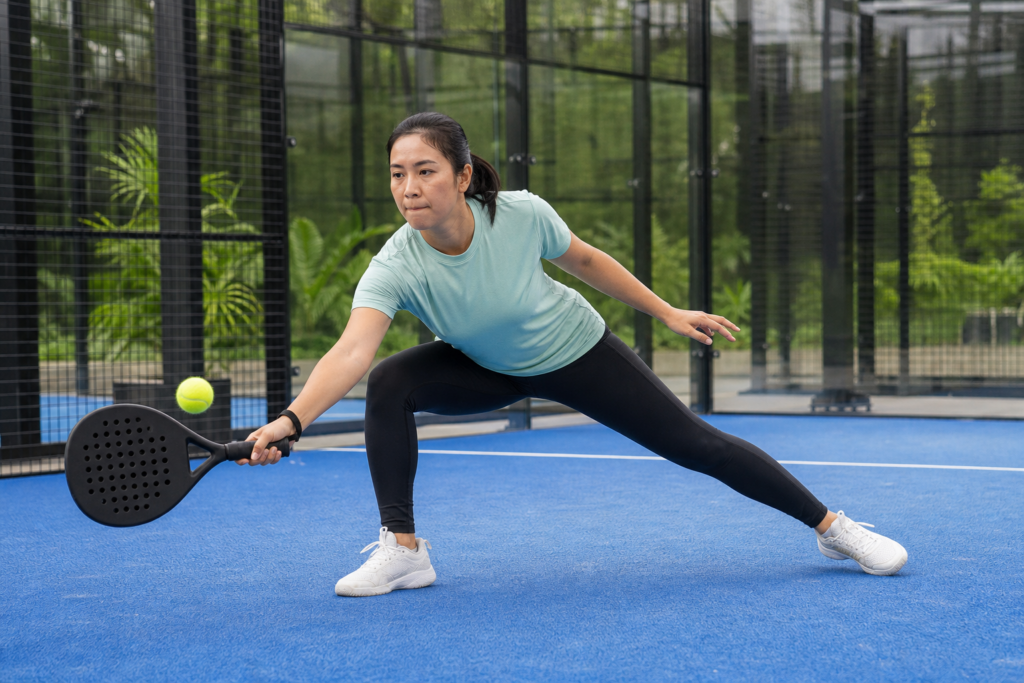
- The court encourages frequent lateral movement. Short shuffles, quick pivots and low lunges repeatedly load the knee, ankle and calf.
- Overhead shots are common. Smashes, bandejas and víboras ask the shoulder, forearm and elbow to produce and then control force above shoulder height.
- The racket is solid and stringless. Its weight, balance, grip size and stiffness affect how impact reaches the hand, wrist and elbow.
- Rallies can involve quick reactions near the net. A late contact or a tightly squeezed grip can increase forearm effort.
If you play several court sports, my guide to pickleball injuries and safer play covers that sport’s wider injury pattern. If outer elbow pain is your main concern, my detailed article on tennis elbow symptoms and treatment explains the condition itself. Here, the focus is the padel-specific load that may trigger it.
Padel Elbow: Why the Outer Elbow Hurts
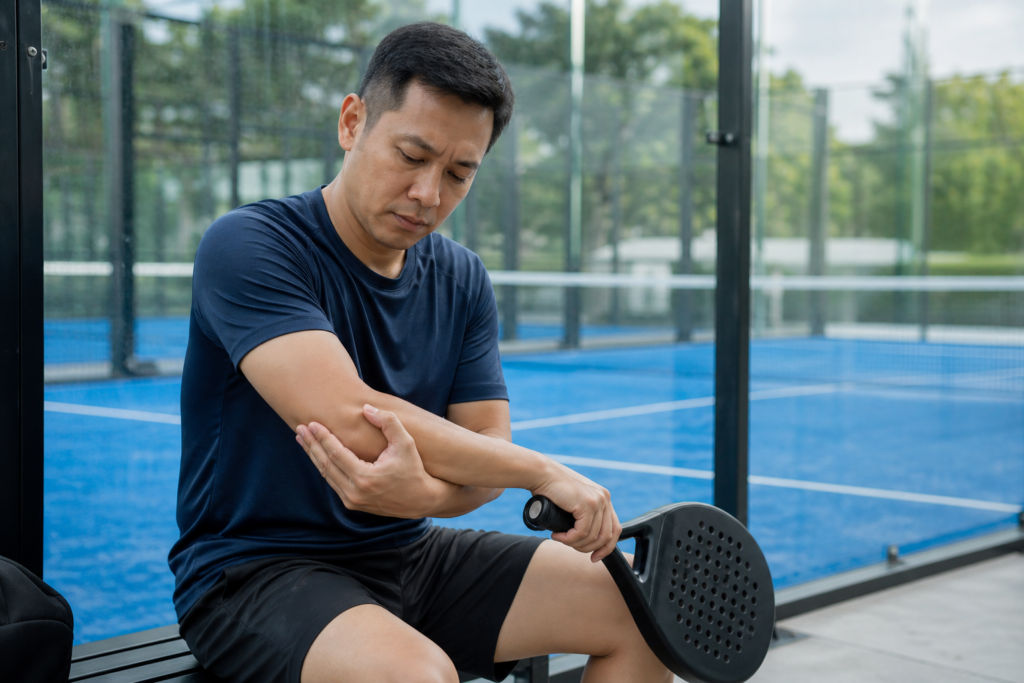
Padel elbow commonly refers to lateral elbow tendinopathy, also called lateral epicondylitis or tennis elbow. The sore tendon attaches the wrist-extensor muscles to the outer part of the elbow. These muscles help steady the wrist and racket during contact.
Pain may build when the forearm repeatedly absorbs impact, especially during late contact, backhand volleys, overhead shots or off-centre hits. Gripping too hard can add load. So can a racket that feels too heavy, head-heavy or difficult to control. One study of recreational players found an association between injury risk and certain racket characteristics, but this does not prove that one racket weight causes injury in every player.
Typical padel elbow symptoms include:
- Pain or tenderness on the outside of the elbow.
- Pain that spreads into the upper forearm.
- A weaker or painful grip.
- Pain when lifting a kettle, turning a handle or shaking hands.
- Worse symptoms during volleys, backhands or an overhead smash.
Padel elbow is usually an overload problem, not a sign that the tendon is “inflamed” forever. However, continuing the same number of matches while the pain steadily worsens can make recovery slower. Early changes to playing volume, technique and racket set-up are often more useful than simply wearing a strap and carrying on.
Padel Knee Pain: More Than One Possible Diagnosis
Padel knee pain can begin gradually or after one awkward movement. The repeated side steps, split steps, pivots and low lunges place the knee under load in several directions. A sudden stop on a planted foot may also stress a ligament or the meniscus, which is the shock-absorbing cartilage inside the knee.
| Where or how it hurts | Possible problem | Clues to notice |
|---|---|---|
| Around or behind the kneecap | Patellofemoral pain | Worse with deep lunges, squats, stairs or sitting with the knee bent |
| Just below the kneecap | Patellar tendon overload | Local pain with repeated jumping, pushing off or lunging |
| Inside or outside the joint line | Meniscus or joint irritation | Pain after a twist, sometimes with swelling, catching or locking |
| Sudden pain after a pivot | Knee ligament sprain | A pop, rapid swelling, giving way or difficulty continuing |
| General ache and stiffness | Joint overload or an arthritis flare | Symptoms after play, swelling or reduced movement |
The label “padel knee” cannot tell you which structure is involved. For instance, kneecap pain from a rapid increase in matches needs a different plan from a swollen, unstable knee after a pivot. The history and examination matter.
Padel Injury Prevention: Nine Practical Steps
- Increase court time gradually. Begin with shorter sessions and recovery days. Avoid jumping from no padel to several long matches in one week.
- Warm up for 10 to 15 minutes. Start with brisk movement. Then add ankle and hip mobility, calf raises, controlled squats, side shuffles and easy practice swings. Finish with a few gentle rallies before hard smashes.
- Learn how to move around the glass. Use small adjustment steps. Turn and move into position instead of running backwards while watching the ball. A coach can teach safe spacing and rebound judgement.
- Use proper court shoes. Running shoes are designed mainly for forward movement. Padel or suitable court shoes usually offer better support for lateral stopping. Replace shoes when the sole or side support is worn.
- Choose a manageable racket. A beginner may find a lighter, more evenly balanced racket easier to control. Grip size should allow a secure hold without constant squeezing. Ask a coach or experienced fitter for help rather than choosing by appearance alone.
- Share the work across the body. Good timing, trunk rotation and leg drive reduce the need to create every shot with the wrist and elbow. Learn overhead technique before hitting at full power.
- Strengthen for the sport. Useful areas include the forearm, shoulder, upper back, trunk, hips, thighs and calves. Side-step control and single-leg balance also prepare the knee for changes of direction.
- Recover between harder matches. Sleep, food, hydration and lighter days all matter. In Malaysia’s heat and humidity, arrive hydrated and take sensible drink breaks.
- Act on a trend, not just one score. Mild muscle soreness may settle within a day or two. Pain that is becoming sharper, lasting longer or changing your swing or footwork means the load needs review.
No warm-up or shoe can prevent every racquet sport injury. However, these steps improve the match between what the game demands and what your body is ready to tolerate.
What Should You Do When Elbow or Knee Pain Starts?
First, reduce or pause the shot or movement that causes sharp pain. You may still be able to keep fit with comfortable activity, but do not use painkillers simply to push through the same match load. A wrapped ice pack may help short-term pain after play. Use it for up to 15 to 20 minutes and protect the skin.
For mild outer elbow pain, temporarily reduce hard volleys and overhead shots. Check grip size, racket control and technique. Gentle movement is usually better than keeping the arm completely still. Later, progressive forearm strengthening may be part of recovery.
For mild padel knee pain without a twist, major swelling or instability, reduce deep lunges, repeated jumping and hard changes of direction for a time. Comfortable walking or cycling may be possible. Strengthening and a gradual return to court should match the actual diagnosis.
Avoid copying an exercise programme before you know the source of the pain. Tendon overload, a meniscus injury, arthritis and a stress injury may feel similar at first, but they are managed differently.
When to See an Orthopaedic Surgeon
Arrange an assessment if pain keeps returning, is getting worse, affects daily tasks or changes how you play. An orthopaedic surgeon can locate the painful structure, check strength and joint stability, and decide whether an X-ray, ultrasound or MRI is useful. Many padel injuries improve without surgery when the diagnosis and rehabilitation plan are clear.
Seek prompt medical care if you have:
- A pop or snap followed by immediate pain or weakness.
- A knee that swells quickly, locks or repeatedly gives way.
- Inability to bear weight or continue walking normally.
- An obvious change in joint shape.
- Marked bruising or loss of movement.
- Numbness, tingling or increasing weakness in the arm or leg.
- Redness, heat or fever with joint pain.
Returning to Padel After an Injury
Return in stages rather than testing the injury with a full match. Start when everyday movements are comfortable and swelling is controlled. Then rebuild the specific demands that caused symptoms.
For the elbow, this may progress from comfortable gripping and forearm exercises to gentle rallies, controlled volleys and later overhead shots. For the knee, it may move from walking and strength work to side steps, controlled lunges, quicker direction changes and short practice games.
The next-day response is useful. If pain or swelling clearly rises and stays worse, the step was probably too large. Your return should also consider how severe the injury was, your playing level and whether you need to change technique or equipment.
Conclusion
Padel injuries reflect the sport’s special mix of repeated racquet work, overhead shots, glass-wall rebounds, lateral movement, lunges and sudden stops. Research consistently places the elbow at the top of the injury list, while the knee is another common concern. However, “padel elbow” and “padel knee” are labels, not complete diagnoses.
Padel injury prevention starts with gradual court time, suitable shoes and racket set-up, sound technique, strength and enough recovery. Most importantly, respond to pain before it changes your swing or footwork. If elbow or knee pain is severe, persistent or linked to swelling, locking, instability or weakness, consult an orthopaedic surgeon for an individual assessment.

Contact & Request Appointment
Schedule a consultation by using the form below, or calling her clinic or using the online booking button.
Please note that consultation is ONLY by appointment – no walk-ins.
Appointment Form 🇲🇾
NOTE: To avoid disappointment with walk-ins patients and same day appointments requests, proper appointment is necessary as the doctor may not be available all the time in clinic as she may be performing surgery.
Clinic Contact
7B-07, Level 7, Sunway Medical Centre Velocity,
Lingkaran Sunway Velocity, Sunway Velocity,
55100 Kuala Lumpur, Malaysia 🇲🇾
Mon & Fri: 10:30 – 12:30
Tue & Wed: 10:30 – 16:30
Sat: 9:00 – 12:30
Thu & Sun: Closed
L5-36, Sunway Medical Centre Damansara,
No. 2, Jalan PJU 5/1a, Kota Damansara, PJU 5,
47810 Petaling Jaya, Selangor Darul Ehsan, Malaysia 🇲🇾
Mon & Fri: 14:00 – 17:00
(by appointment only)

