
Back of Heel Pain in the Morning: Achilles Tendinitis vs Plantar Fasciitis

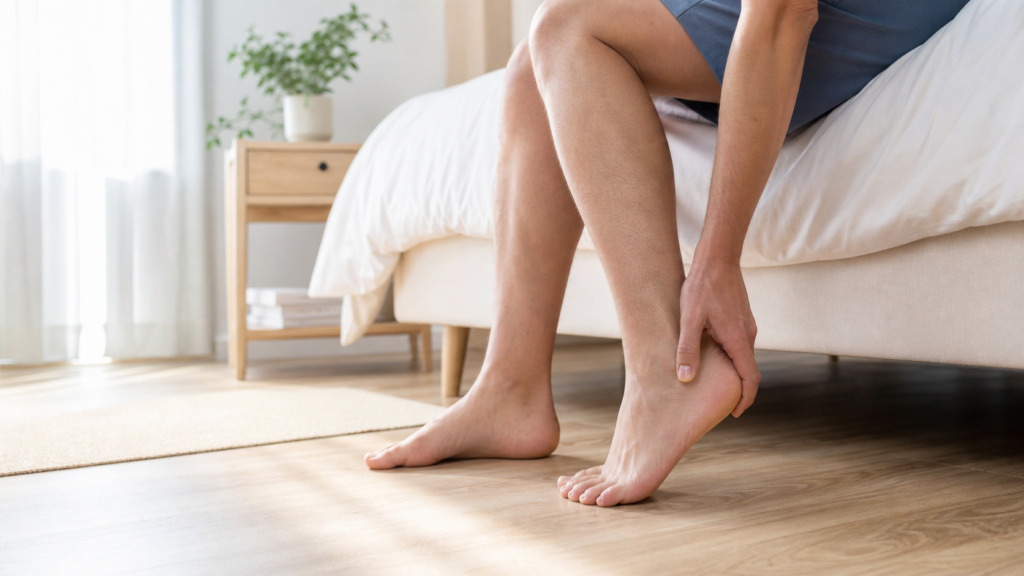
Back of heel pain in the morning is a common reason people come to see an orthopaedic surgeon. The pain may feel like tightness, burning, soreness, or a sharp jab when your foot first touches the floor. Two common causes are Achilles tendinitis and plantar fasciitis. They can feel similar at first, but the pain usually comes from different areas of the heel.
As an orthopaedic surgeon, I often start with one simple question: where is the pain?
If the pain is truly at the back of the heel, near the Achilles tendon, Achilles tendinitis is more likely. If the pain is under the heel, especially near the inner side of the sole, plantar fasciitis is more likely. However, some people can have both at the same time, especially if they have tight calves or have recently increased walking, running, or standing.
Why Heel Pain Is Worse in the Morning
Morning heel pain happens because the foot and calf have been resting overnight. During sleep, the ankle often points slightly downwards. As a result, the calf, Achilles tendon, and plantar fascia can feel tight when you stand up.
The first few steps suddenly load these tissues. This can cause pain after waking up. Once you walk for a few minutes, the tissues warm up and the pain may ease. However, it may return later in the day after exercise, long standing, or sitting for a long time.
This pattern is common in both Achilles tendinitis and plantar fasciitis. Therefore, the exact pain location matters.
Achilles Tendinitis: Pain at the Back of the Heel
Achilles tendinitis is irritation of the Achilles tendon. This tendon joins the calf muscles to the heel bone. It helps you walk, run, climb stairs, jump, and stand on tiptoe.
Achilles tendon pain is usually felt:
- Along the tendon at the back of the ankle.
- Just above the heel bone.
- At the point where the tendon attaches to the heel bone.
Pain at the back of the heel in the morning may come with stiffness. It may improve slightly after gentle movement, but it often becomes worse with running, hill walking, stair climbing, jumping, or sudden increases in sport.
Other signs of Achilles tendinitis can include:
- Tenderness when you press the Achilles tendon.
- Thickening or swelling along the tendon.
- Pain at the back of the heel when wearing shoes with a stiff heel counter.
- Worse pain the day after exercise.
- Tight calf muscles.
Achilles tendinitis is often linked to overuse. For instance, it may start after increasing running distance too quickly, changing shoes, walking more than usual during travel, or playing sport after a long break. It is also more common as tendons become less flexible with age.

Plantar Fasciitis: Pain Under the Heel
Plantar fasciitis is irritation of the plantar fascia. This is a strong band of tissue under the foot. It runs from the heel bone towards the toes and helps support the arch.
Plantar fasciitis usually causes plantar heel pain, not true back of heel pain. The pain is often felt:
- Under the heel.
- Near the inner side of the heel.
- Along the arch of the foot.
The classic symptom is sharp heel pain after waking up. Many people describe it as a stabbing pain during the first few steps in the morning. The pain may reduce after a few minutes of walking. However, it can return after long standing or when getting up after sitting.
Plantar fasciitis is more likely if you:
- Spend long hours standing on hard floors.
- Have recently increased walking, running, dancing, or exercise.
- Have tight calves.
- Have flat feet or high arches.
- Wear unsupportive footwear.
- Carry extra body weight.
It is also common for patients to worry about heel spurs. However, heel spurs are not always the cause of pain. Many people have heel spurs on X-ray without heel pain. In many cases, treatment focuses on the plantar fascia and calf tightness rather than removing the spur.
Achilles Tendinitis vs Plantar Fasciitis: Key Differences
| Feature | Achilles Tendinitis | Plantar Fasciitis |
|---|---|---|
| Main pain area | Back of the heel or Achilles tendon | Bottom of the heel, often near the inner side |
| Morning pattern | Stiff and sore at the back of the heel | Sharp first-step pain under the heel |
| Exercise pattern | Often worse during or after running, stairs, hills, or jumping | Often worse after activity or after long standing |
| Tender spot | Achilles tendon or tendon attachment | Bottom of the heel or arch |
| Common trigger | Sudden increase in running, sport, hills, or calf loading | Long standing, hard floors, unsupportive shoes, increased walking |
| Common linked issue | Calf tightness and tendon overload | Calf tightness and arch strain |
This table can help you understand the likely source of morning heel pain. Still, it cannot replace a proper examination. Heel pain can also come from bursitis, stress fractures, nerve irritation, arthritis, skin problems, or an Achilles tendon tear.
What You Can Do First for Morning Heel Pain
If symptoms are mild and there was no sudden injury, simple steps may help. However, stop any exercise that causes sharp pain and seek medical care if the pain is severe or worsening.
For Achilles tendon pain, it may help to:
- Reduce running, jumping, hill work, and stair-heavy training for a while.
- Wear supportive shoes that do not rub the back of the heel.
- Avoid suddenly switching to very flat shoes if your Achilles tendon is painful.
- Do gentle ankle movements before getting out of bed.
- Stretch the calf gently, without forcing pain.
- Build calf strength gradually with guidance from a physiotherapist or orthopaedic surgeon.
Be careful with aggressive heel-drop stretches if the pain is at the Achilles insertion, which is the point where the tendon attaches to the heel bone. In some people, deep stretching can compress this area and make symptoms worse.
For plantar fasciitis, it may help to:
- Avoid walking barefoot on hard floors first thing in the morning.
- Put on supportive slippers or shoes before taking your first steps.
- Gently stretch the calf and sole of the foot before standing.
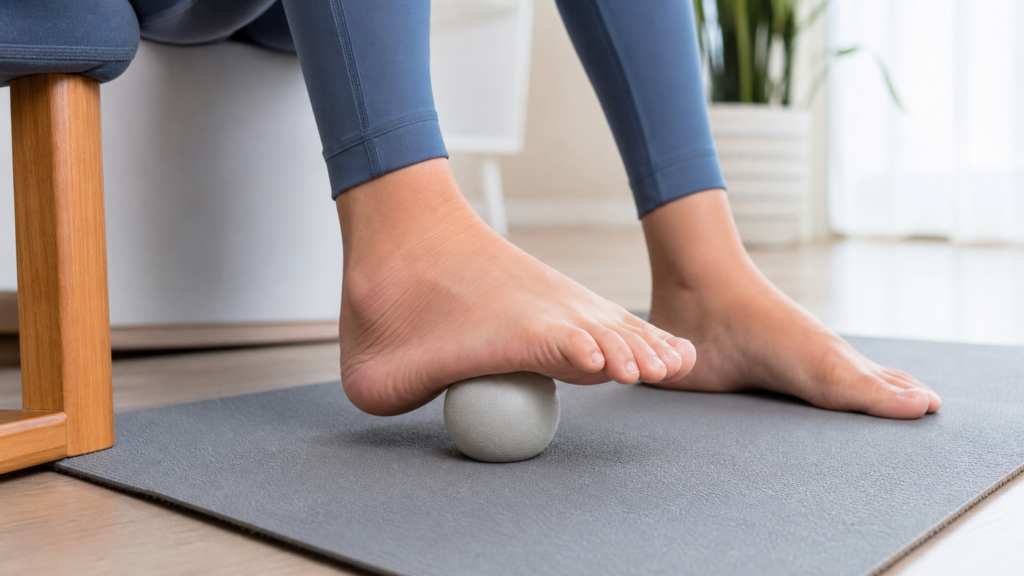
- Roll the sole on a small ball or cold bottle if it feels comfortable.
- Reduce long standing and high-impact exercise for a short period.
- Consider arch support or cushioned footwear if your shoes are very flat or worn out.
These steps are general. They may not suit every person, especially if you have diabetes, nerve problems, poor blood flow, inflammatory arthritis, or a recent injury.
When to See an Orthopaedic Surgeon
You should see an orthopaedic surgeon if heel pain does not improve with simple care, keeps returning, or affects walking and daily activities.
Seek urgent medical attention if you have:
- A sudden pop or snap at the back of the heel or calf.
- Sudden severe pain.
- Difficulty walking after an injury.
- Inability to stand on tiptoe on the painful side.
- Marked swelling or bruising.
- Fever, redness, warmth, or an open wound.
- Numbness, tingling, or burning pain that spreads.
A sudden pop with severe back of heel pain can suggest an Achilles tendon rupture. This needs prompt assessment.
Investigations: How an Orthopaedic Surgeon Checks Heel Pain
The diagnosis often starts with a careful history and physical examination. I would usually check the exact pain location, ankle movement, calf tightness, tendon tenderness, foot shape, walking pattern, and strength.
Many cases of Achilles tendinitis and plantar fasciitis do not need advanced scans at the first visit. However, a heel X-ray, ultrasound, or MRI may be useful if the diagnosis is unclear, symptoms are not improving, or there is concern about another cause such as a stress fracture or tendon tear.
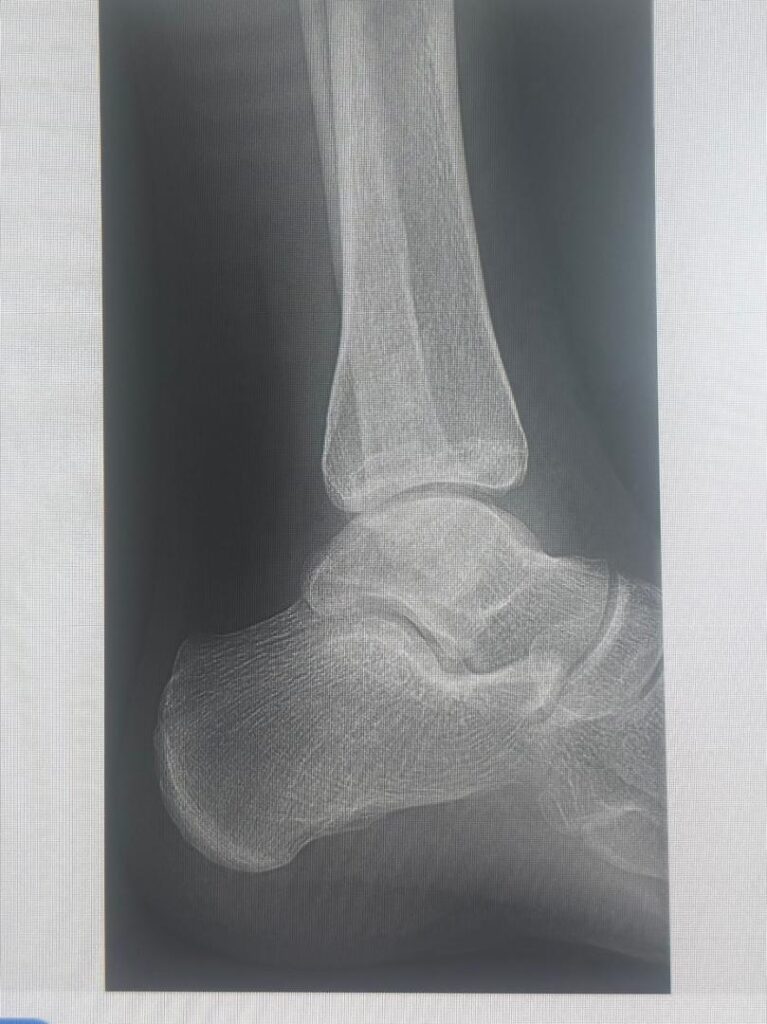
A heel X-ray helps assess the shape of the heel bone, the ankle joint, and the area where the Achilles tendon attaches. It may show a plantar heel spur, arthritis, a fracture, or a bony prominence at the back of the heel. However, an X-ray does not show the Achilles tendon or plantar fascia clearly, so the result must be matched with the symptoms and examination.
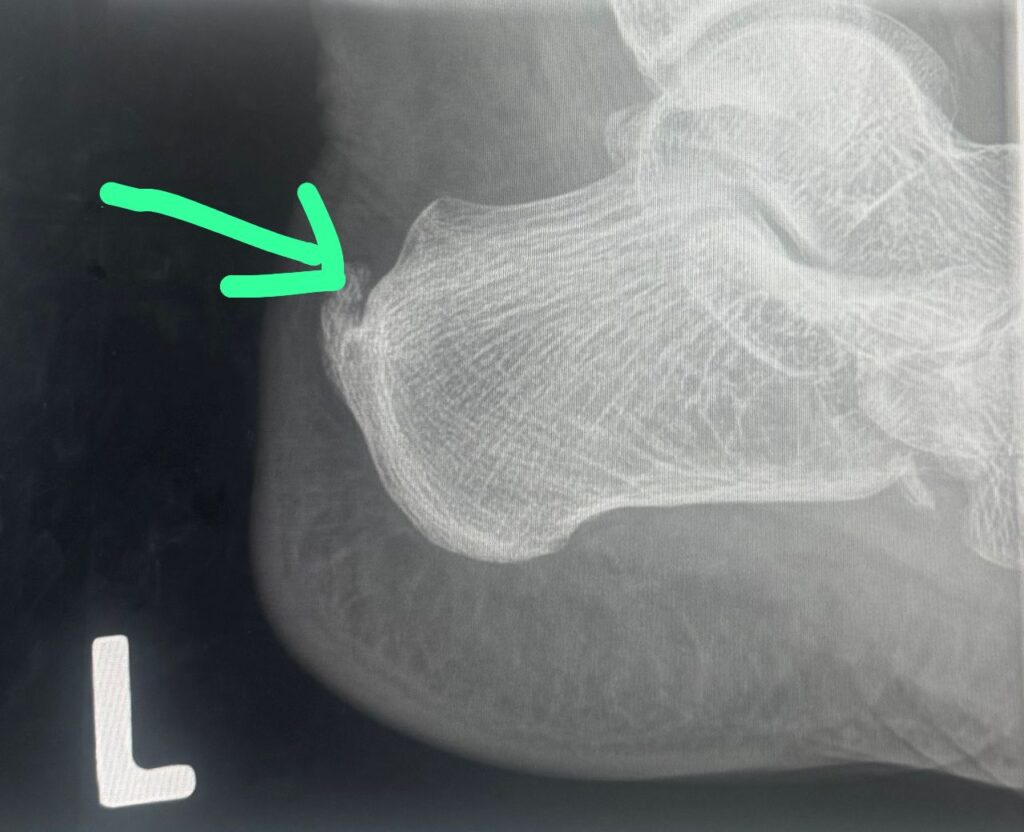
A Haglund deformity or heel bone spur does not always cause pain by itself. Some people have this shape on X-ray but no symptoms. Therefore, I would only treat it as important if the sore spot, swelling, shoe irritation, and examination all match the X-ray finding.
If more soft tissue detail is needed, ultrasound or MRI may be considered. These scans can help assess the Achilles tendon, plantar fascia, bursitis, and possible tears. The choice of investigation depends on the likely cause of the heel pain and how severe or persistent the symptoms are.
Treatment depends on the cause. It may include activity changes, footwear advice, physiotherapy, stretching, strengthening, anti-inflammatory measures where suitable, shockwave therapy in selected cases, injections for some conditions, or surgery for severe cases that do not respond to other treatment. The right plan depends on the tissue involved and your own activity needs.
Can You Have Both Conditions at the Same Time?
Yes. Achilles tendinitis and plantar fasciitis can occur together. This is because the calf, Achilles tendon, heel bone, and plantar fascia work as one connected system.
For example, tight calf muscles can increase strain on the Achilles tendon. They can also increase pull through the heel and plantar fascia. Therefore, a person may feel pain at the back of the heel on some days and pain under the heel on other days.
This is one reason persistent heel pain should be assessed properly. Treating only one part of the problem may not fully settle the symptoms.
Conclusion
Back of heel pain in the morning is often related to Achilles tendinitis, especially when the sore spot is at the Achilles tendon or where it attaches to the heel bone. Plantar fasciitis is more likely when the pain is under the heel and feels sharp during the first few steps after waking.
The two conditions can overlap, and both are often linked to calf tightness, training changes, footwear, and overuse. If your morning heel pain is severe, persistent, or affecting your walking, consult an orthopaedic surgeon for a clear diagnosis and a treatment plan that fits your condition.
References and Further Reading
- American Academy of Orthopaedic Surgeons: Achilles Tendinitis
- American Academy of Orthopaedic Surgeons: Plantar Fasciitis and Bone Spurs
- American College of Foot and Ankle Surgeons: Haglund’s Deformity
- Mayo Clinic: Achilles Tendinitis Symptoms and Causes
- Mayo Clinic: Plantar Fasciitis Symptoms and Causes

Contact & Request Appointment
Schedule a consultation by using the form below, or calling her clinic or using the online booking button.
Please note that consultation is ONLY by appointment – no walk-ins.
Appointment Form 🇲🇾
NOTE: To avoid disappointment with walk-ins patients and same day appointments requests, proper appointment is necessary as the doctor may not be available all the time in clinic as she may be performing surgery.
Clinic Contact
7B-07, Level 7, Sunway Medical Center Velocity,
Lingkaran Sunway Velocity, Sunway Velocity,
55100 Kuala Lumpur, Malaysia 🇲🇾
Mon to Wed: 10:30 – 16:30
Thu: closed
Fri: 10:30 – 16:30
Sat: 9:00 – 12:30
Sun: closed

