
Knee Problems in Children: When To See A Paediatric Orthopaedic Surgeon in Malaysia

Introduction to Paediatric Knee Problems
Knee problems in children can be concerning, especially for active and sports-inclined kids. While some knee pain is related to normal growth or minor injuries, others may indicate a more serious condition that requires attention from a paediatric orthopaedic surgeon. In Malaysia, active children commonly present with knee pain, especially adolescents involved in regular or competitive sports activities. Understanding the potential causes and knowing when to seek help is crucial to ensure that the knee heals properly.
In this article, we will explore common knee problems seen in children, their causes, treatment options, and when parents should consider consulting a paediatric orthopaedic surgeon.
When Should You See a Paediatric Orthopaedic Surgeon?
It’s not always easy for parents to know when their child’s knee pain requires professional attention. However, there are specific signs that indicate it’s time to consult a paediatric orthopaedic surgeon:
- Persistent Pain: If the pain doesn’t improve with rest and home care or worsens with activity, it’s important to seek medical help.
- Swelling and Bruising: Swelling around the knee, especially if accompanied by bruising, can indicate a more serious injury like a ligament tear or a fracture.
- Difficulty Walking: If your child has trouble standing or walking due to knee pain or instability, it’s crucial to have the knee assessed.
- Deformity: Visible worsening deformities in leg alignment, such as bow legs or knock knees, that do not improve over time may require medical intervention.
- Rest or Night pain: Pain unrelated to activity, severe pain causing the child to wake up in the middle of the night.
Early diagnosis and treatment can prevent complications and ensure a quick recovery for your child.

Common Paediatric Knee Problems
Overuse Injuries and Tendinitis
Children who are active in sports or other physical activities are prone to overuse injuries, particularly tendinitis. Tendinitis refers to the inflammation of the tendons, which are the thick cords that connect muscles to bones. When children repeatedly use the same muscle groups without sufficient rest or cross-training, this overuse can cause irritation or inflammation of the tendons, leading to pain.
Apophysitis: One specific form of tendinitis in children is apophysitis. The apophysis is a growth plate where tendons attach to the bone. In children, the apophysis has not fully fused with the native bone, making it more vulnerable to injury. When a child performs repetitive activities or sports without proper variation or cross-training, it can result in constant pulling on the apophysis, causing inflammation. In severe cases, the apophysis can even detach from the bone.

Symptoms:
- Knee pain that worsens with activity.
- Swelling around the affected tendon.
- Tenderness near the growth plate.
Treatment:
- Rest: It’s important for children with apophysitis or tendinitis to rest and avoid activities that aggravate the condition.
- Ice, Compression, and Elevation: Applying ice to reduce inflammation, using compression to manage swelling, and elevating the leg can help with recovery.
- Cross-Training: To prevent recurring injuries, children are encouraged to engage in cross-training. This means varying their activities to avoid putting constant strain on the same muscle groups and joints.

Ligament Tears
Though rare in young children, ligament tears can occur, especially if the child engages in sudden or intense physical activities without properly warming up. Ligaments are tough bands of tissue that connect bones to other bones, stabilising joints. When a child experiences a sudden contraction or movement, like a jump, the ligaments can tear due to the force placed on them.
Symptoms:
- Sudden and sharp knee pain during activity.
- Swelling and bruising around the knee.
- Instability in the knee, making it hard to stand or walk.
Treatment:
- Surgery: In cases of ligament tears, surgery is usually required to repair the torn ligament or muscle. Paediatric orthopaedic surgeons will carefully evaluate the tear and recommend the appropriate surgical approach.
- Rehabilitation: After surgery, a rehabilitation program that includes physical therapy is essential for restoring strength and mobility to the knee.
Bow Legs and Knock Knees
Another common knee problem seen in younger children is abnormal leg alignment, such as bow legs (genu varum) and knock knees (genu valgum). These conditions often result from growth-related issues and can impact the alignment of the knees.

- Bow Legs (Genu Varum): This is when the knees remain apart while the ankles come together, causing the legs to bow outward.

- Knock Knees (Genu Valgum): In this case, the knees touch or angle inward while the ankles stay apart.

These conditions can be a normal part of development and often self-correct as the child grows. However, in some cases, the alignment does not resolve naturally, and medical intervention may be required.
Treatment:
- Observation and Monitoring: For mild cases, paediatric orthopaedic surgeons may recommend regular monitoring to see if the condition improves over time.
- Guided Growth Surgery: If the knee alignment does not improve, or if the condition worsens as the child grows, a guided growth surgery may be necessary. This procedure corrects the alignment of the legs by directing bone growth in the correct direction. The results of guided growth surgery are not immediate but are seen over several months, usually after a year.

Additional Causes of Knee Pain in Children
Patellofemoral Pain Syndrome (Runner’s Knee)
Patellofemoral Pain Syndrome, also known as runner’s knee, occurs when the cartilage under the kneecap becomes irritated. This condition is common in children and adults who engage in activities involving frequent running, jumping, or squatting.

Symptoms:
- Pain around the front of the knee, especially when bending the knee.
- Discomfort that worsens with activity or prolonged sitting.
Treatment:
- Rest, ice, and anti-inflammatory medications.
- Strengthening exercises to improve muscle balance and knee stability.
Juvenile Idiopathic Arthritis (JIA)
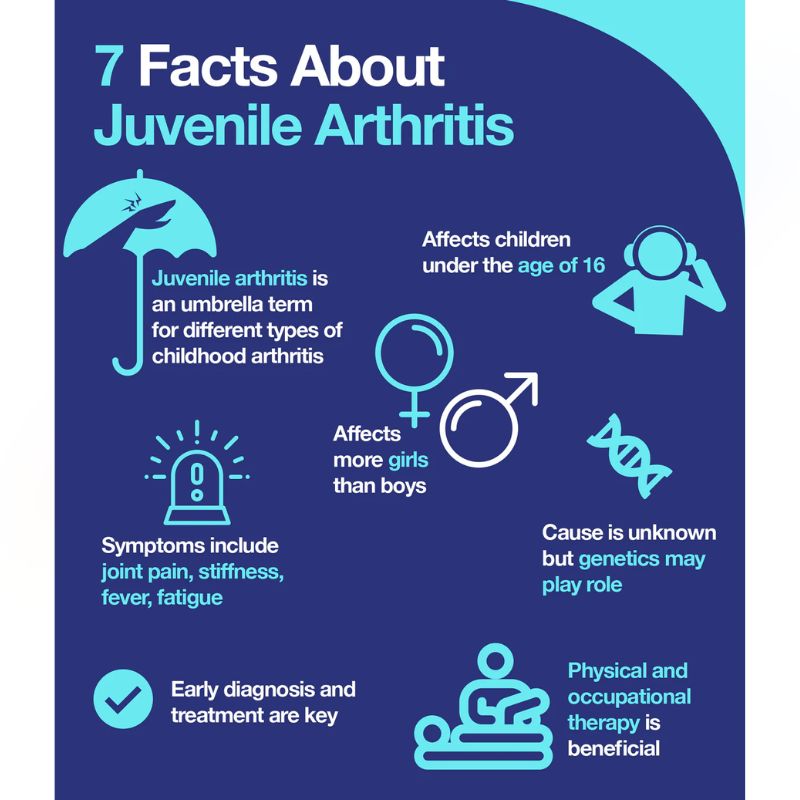
Juvenile idiopathic arthritis is an autoimmune condition that causes inflammation in the joints, including the knees. JIA can lead to long-term pain, swelling, and stiffness if not treated.
Symptoms:
- Chronic pain and stiffness in the knee joint.
- Swelling and warmth around the affected area.
- Difficulty moving the knee, especially after periods of inactivity.
Treatment:
- Medication: Anti-inflammatory medications to control swelling and pain.
- Physical Therapy: Exercises to maintain joint mobility and strength.
Septic Arthritis (Infections)
Septic arthritis is a bacterial infection that can cause swelling, pain, and fever. This condition is a medical emergency and requires immediate treatment to prevent joint damage.

Symptoms:
- Severe pain in the knee.
- Fever.
- Swelling, warmth, and redness around the joint.
Treatment:
- Surgery: In some cases, surgery is needed to drain the infection from the joint.
- Antibiotics: Immediate antibiotic treatment is essential.
Why Rest and Cross-Training are Important
Many children who experience knee problems are highly active, sometimes engaging in the same sport or physical activity every day without variation. This repetitive strain on the same muscle groups and joints can lead to overuse injuries like tendinitis or apophysitis. That’s why rest and cross-training are critical components of treatment and prevention.
Rest: Allowing time for recovery helps reduce inflammation and gives the body a chance to heal.
Cross-Training: Cross-training introduces new movements and exercises to the child’s routine, reducing the risk of overusing the same muscle groups and joints. This variation not only prevents injuries but also strengthens different parts of the body, contributing to overall physical health.
Parents should encourage their children to participate in different types of physical activities, balancing high-impact sports with low-impact exercises to ensure their muscles and joints are not consistently overworked.
Preventive Measures for Knee Injuries
Preventing knee injuries in children involves proper preparation and care. By incorporating the following strategies, parents can help reduce the risk of knee problems:
Warm-Up Exercises: Always ensure that children warm up before participating in sports. This helps increase blood flow to the muscles and prepares the joints for physical activity.
Stretching: Regular stretching improves flexibility and reduces the risk of muscle strains and tendonitis.
Strengthening Exercises: Strengthening the muscles around the knee (quadriceps, hamstrings) provides better support and stability, reducing the likelihood of injuries.
Proper Footwear: Wearing the right footwear for the sport helps prevent overuse injuries and provides the necessary support for the knees.

Conclusion
Knee problems in children are fairly common, especially among those who participate in sports or other physical activities. From overuse injuries like tendinitis and apophysitis to more serious conditions like ligament tears and fractures, it is important for parents to be aware of the signs that may indicate the need for professional medical care. Consulting a paediatric orthopaedic surgeon in Malaysia can help diagnose and treat these conditions, ensuring your child recovers fully and get back to sports.
If you notice any signs of knee pain, swelling, or deformities in your child, or if you are concerned about their leg alignment, don’t hesitate to seek medical advice. For more information or to schedule an appointment, please visit drmariawong.com and take the first step towards ensuring your child’s orthopaedic health and well-being.

For more information or to schedule an appointment with Dr. Maria Wong, please visit drmariawong.com and take the first step towards improving your child’s musculoskeletal health.
Contact & Request Appointment
Schedule a consultation by using the form below, or calling her clinic or using the online booking button.
Please note that consultation is ONLY by appointment – no walk-ins.
Appointment Form 🇲🇾
NOTE: To avoid disappointment with walk-ins patients and same day appointments requests, proper appointment is necessary as the doctor may not be available all the time in clinic as she may be performing surgery.
Clinic Contact
7B-07, Level 7, Sunway Medical Center Velocity,
Lingkaran Sunway Velocity, Sunway Velocity,
55100 Kuala Lumpur, Malaysia 🇲🇾
Mon to Wed: 10:30 – 16:30
Thu: closed
Fri: 10:30 – 16:30
Sat: 9:00 – 12:30
Sun: closed

